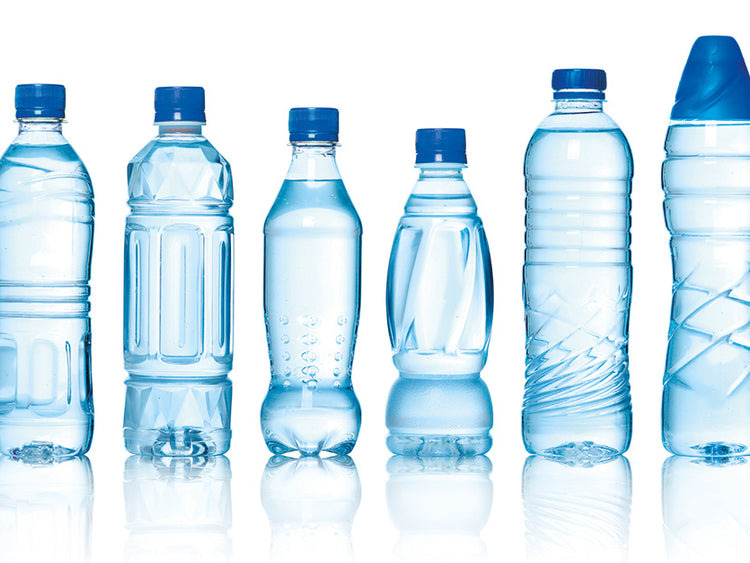
Bottled Water vs Your Health: What Science Says About the Risks

30. rujna 2024. Magnus Jern

Is Bottled Water Unhealthy?

The past few years have seen major debates on plastic consumption and pollution. Less discussed is the health aspect of bottled water.

Generally, bottled water companies tout health benefits. But what if it's not healthier at all? What if it's actually unhealthy, causing reduced fertility and permanent damage to infants and children?

In this article, we'll explore bottled water's health issues and why filtered tap water is a better option.

Is Bottled Water Healthy?

Mineral water, natural spring water, volcanic water, glacier water...brands claiming healthier drinking water based on such attributes abound. But is there scientific evidence mineral water is healthier?

Most participants in a 2009 UK study believed bottled water had health benefits.

Source:  https://bmcpublichealth.biomedcentral.com/articles/10.1186/1471-2458-9-196

In a previous article, we addressed claims that mineral water is healthier than tap. Minerals in some bottled waters include magnesium, calcium, chloride, sodium bicarbonate, and potassium—all essential for human life. It's easy to see why mineral water is perceived as healthy. However, no scientific evidence shows it's healthier than tap water.

Why Do People Think Bottled Water Is Healthier?

Likely historical: Spring and mineral water were seen as healthier. City water was often contaminated, and pre-chlorination caused waterborne diseases like cholera and typhoid. Drink pure spring water on vacation for a week, and you'll likely feel better.

Bottling and commercializing natural mineral waters began in mid-16th century Europe, with mineral water from Spa (Belgium), Vichy (France), Ferrarelle (Italy), and Apollinaris (Germany).

Source: history of natural mineral water

Complicating matters, many Germans believe sparkling mineral is even healthier. Truth: It quenches thirst better. In reality, it's often the opposite—as you'll discover below.

What If Bottled Water Is Actually Unhealthy?

It's clear plastic packaging destroys many species on our planet. But what if it also slowly poisons people?

Here are 6 clear proofs bottled water is unhealthy.

1. Microplastics in Bottled Water

A recent WHO study found plastic fibers in 93% of popular bottled water brands tested (similar results from Fredonia State University of New York study). While studies on microplastics in bottled water and potential dangers are early-stage, long-term effects of consuming plastic can only be imagined.

Source: https://www.frontiersin.org/articles/10.3389/fchem.2018.00407/full

Further, microplastics now enter our veins, testicles, brain, and organs—potentially causing harm over time.

1. Microplastics in Bottled Water

A recent WHO study found plastic fibers in 93% of popular bottled water brands tested (similar results from Fredonia State University of New York study). While studies on microplastics in bottled water and potential dangers are early-stage, long-term effects of consuming plastic can only be imagined.

Source:  https://www.frontiersin.org/articles/10.3389/fchem.2018.00407/full

Further, microplastics now enter our veins, testicles, brain, and organs—potentially causing harm over time.

2. Phthalates in Bottled Water

One of plastic's most harmful substances is phthalates. Recent years link phthalates to asthma, ADHD, breast cancer, obesity, type II diabetes, low IQ, neurodevelopmental issues, behavioral problems, autism spectrum disorders, altered reproductive development, and male fertility issues.

Source:  https://www.theguardian.com/lifeandstyle/2015/feb/10/phthalates-plastics-chemicals-research-analysis

Researcher Dr. Shanna Swan even said phthalates are the main cause of rising infertility.

Source:  https://saferchemicals.org/2021/02/25/why-is-getting-pregnant-so-difficult-these-days-an-interview-with-dr-shanna-swan-on-her-new- rezervirati/

https://saferchemicals.org/2021/02/25/why-is-getting-pregnant-so-difficult-these-days-an-interview-with-dr-shanna-swan-on-her-new-book/

According to the plastics industry, PET plastic used for most bottled water is completely safe. They claim PET contains no chemical phthalates and thus doesn't leach them.

However, several reports suggest phthalates still leach from PET bottles into the contents. One possibility relates to using recycled PET. This means as bottle makers use more recycled PET, they become more harmful.

Source:  https://www.ncbi.nlm.nih.gov/pmc/articles/PMC2854718/

3. Endocrine (Hormonal) Disruptors

A 2015 study on water samples from 29 bottled water brands in Spain showed hormonal activity in all samples. This was estrogenic in 79.3% and antiestrogenic in 37.9%, androgenic in 27.5%, and antiandrogenic in 41.3%. Hormone-like activities in waters from plastic and glass bottles suggest plastic packaging isn't the only contamination source—water source and bottling process may play roles, among other factors.

Source: https://pubmed.ncbi.nlm.nih.gov/25454229/

Another 2009 study on 20 bottled water brands using human estrogen receptor alpha found estrogen contamination in 60% of samples, with max activity equivalent to 75.2 ng/L of natural sex hormone 17β-estradiol.

Source:  https://link.springer.com/article/10.1007/s11356-009-0107-7

Both studies concluded more research is needed, but funding is limited due to lack of commercial interest.

4. BPA in PET Bottles

Another recycling issue is bisphenol A (BPA) in recycled PET (rPET) bottles. A study of 23 samples of virgin and recycled pellets, preforms, and bottles from five European makers showed "significantly higher BPA levels in recycled PET." The PET bottle industry claims levels are below harmful thresholds.

https://www.foodpackagingforum.org/news/bpa-in-recycled-pet

5. Antimony Used in PET Water Bottles

Chemical antimony, used as a catalyst in PET production, can cause potential health issues. Antimony isn't carcinogenic but can cause diarrhea and vomiting. Several studies show antimony leaches into bottled water over time. Concentrations found are below maximum limits, but it's probably better not to expose infants and young children at all.

Source: https://www.sciencedirect.com/science/article/pii/S0045653520319275

Sparkling Water in Bottles Harmful to Teeth

With sparkling water, you often expose teeth to acid. Sparkling water contains carbonic acid, a threat like any acid. Plain sparkling water has pH ~5 vs tap water's ~7. Citrus-flavored versions have higher acidity, increasing enamel damage risk. But sparkling water harm is negligible compared to sugary drinks like Coca-Cola.

Sources: https://www.mouthhealthy.org/en/nutrition/food-tips/the-truth-about-sparkling-water-and-your-teeth

https://www.mcgill.ca/oss/article/health-and-nutrition-quackery/carbonated-water-bad-your-teeth

Conclusion on Bottled Water's Negative Health Impact

The bottled water industry continues promoting health benefits of mineral water. However, no scientific evidence shows bottled water is healthier than tap. On the contrary, bottled water contains microplastics, hormonal activity, BPA, phthalates, and antimony. Trace amounts may not affect adults, but for infants, young children, and pregnant women, there's definite cause for concern.

In short, avoid bottled water if possible. It wastes money, is inconvenient, environmentally harmful, potentially unhealthy, with far better alternatives. If concerned about tap quality or taste, get a high-quality water filter.

Disclaimer on Harmful Health Aspects of Bottled Water

This evidence isn't conclusive in proving a link between bottled water and long-term illnesses/health harms. The bottled water and packaging industry claims it's "perfectly safe," citing 30+ years of PET bottle use. However, with many consuming it daily, the risk warrants serious consideration.

Product added to wishlist
Product added to compare.

mojowater.eu uses cookies to provide a better user experience and functionality. Cookie settings can be controlled and configured in your web browser. You can read more about this on our website. By continuing to browse the mojowater.eu website, you agree to the use of cookies.